PDF For Hosts
Host & Host Facilitator Quick Start Guide
Start here for camp preparation, responsibilities, supplies, attendee support and practical day-of decisions. Revised September 17, 2026.

Everything you need to host and support a GRIT Camp
Here you’ll find our resources to help support you in becoming a GRIT host. From step-by-step host checklists to mentor guides, videos, and FAQs, everything you need to feel ready and supported is right here in one place.
To learn more about becoming a GRIT host, email Leilani Orr at leilani@thegritfoundation.com
Filter by audience
No resources match that search. Show all resources
PDF For Hosts
Start here for camp preparation, responsibilities, supplies, attendee support and practical day-of decisions. Revised September 17, 2026.
PDF For Hosts
One printable sheet for named responsibilities, final checks, transition times and day-of decisions. September 17, 2026.

PDF For Hosts
A planning checklist from the first conversation through camp follow-up, including training and enrollment timing. Revised September 17, 2026.
PDF For Hosts
The complete camp reference, with aligned roles, planning, materials, teaching flow and the current blueprint. Revised September 17, 2026.
PDF For Hosts
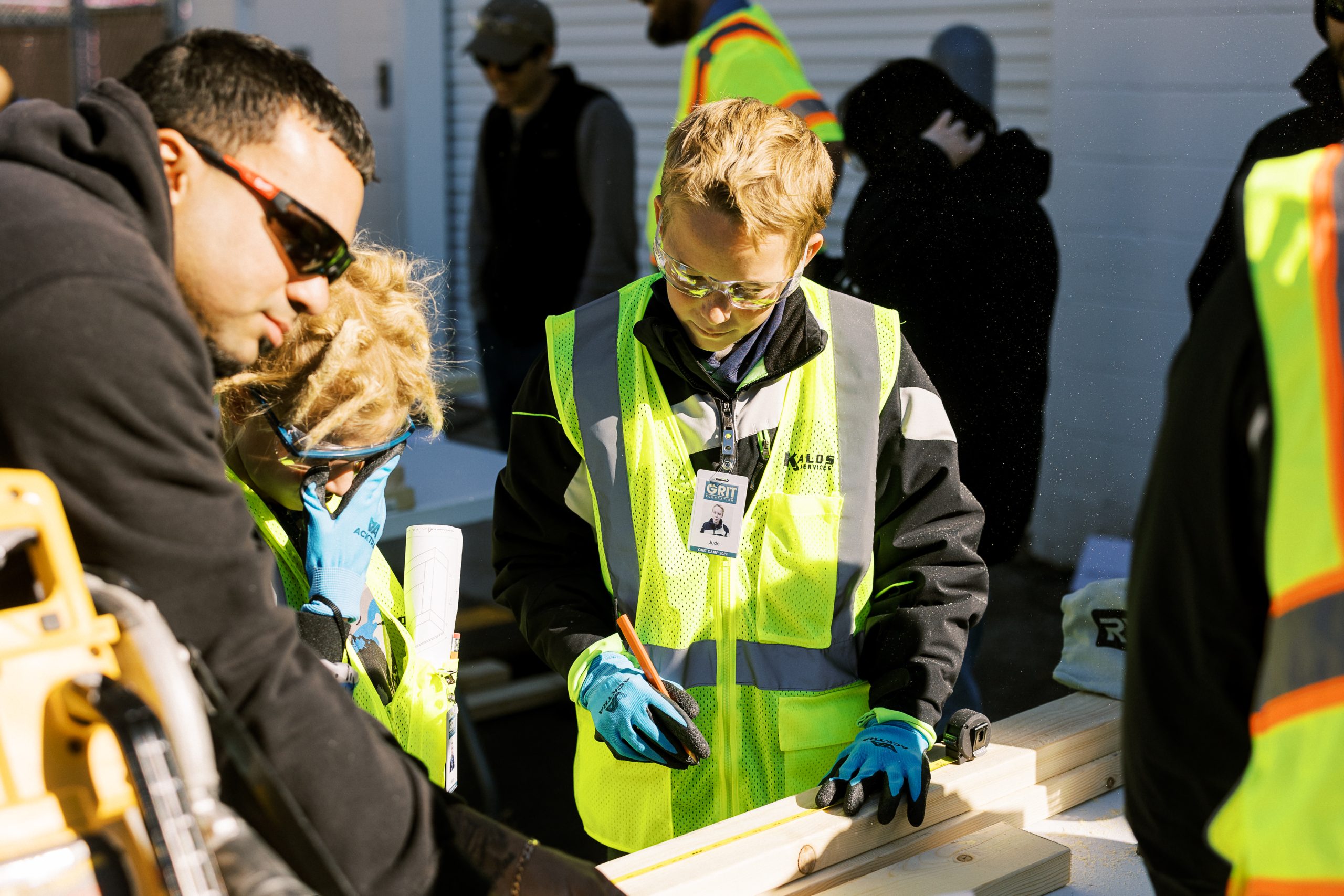
Prepare Mentors, guide discovery and manage the camp’s teaching and transitions. Revised September 17, 2026.
PDF For Mentors
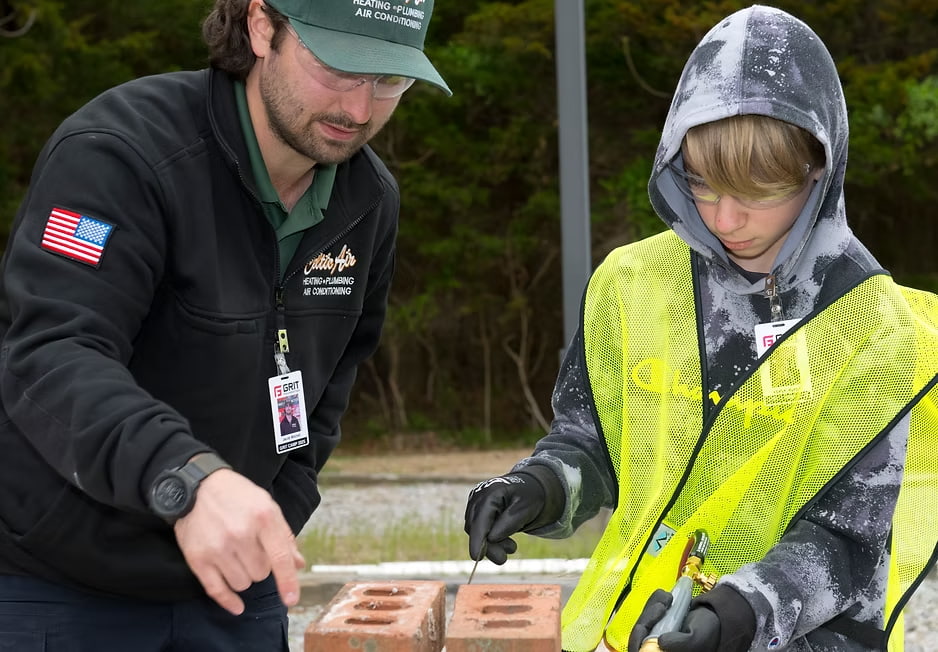
Prepare for camp, guide students through the project, and support safe participation and discovery. Revised September 17, 2026.
PDF For Mentors
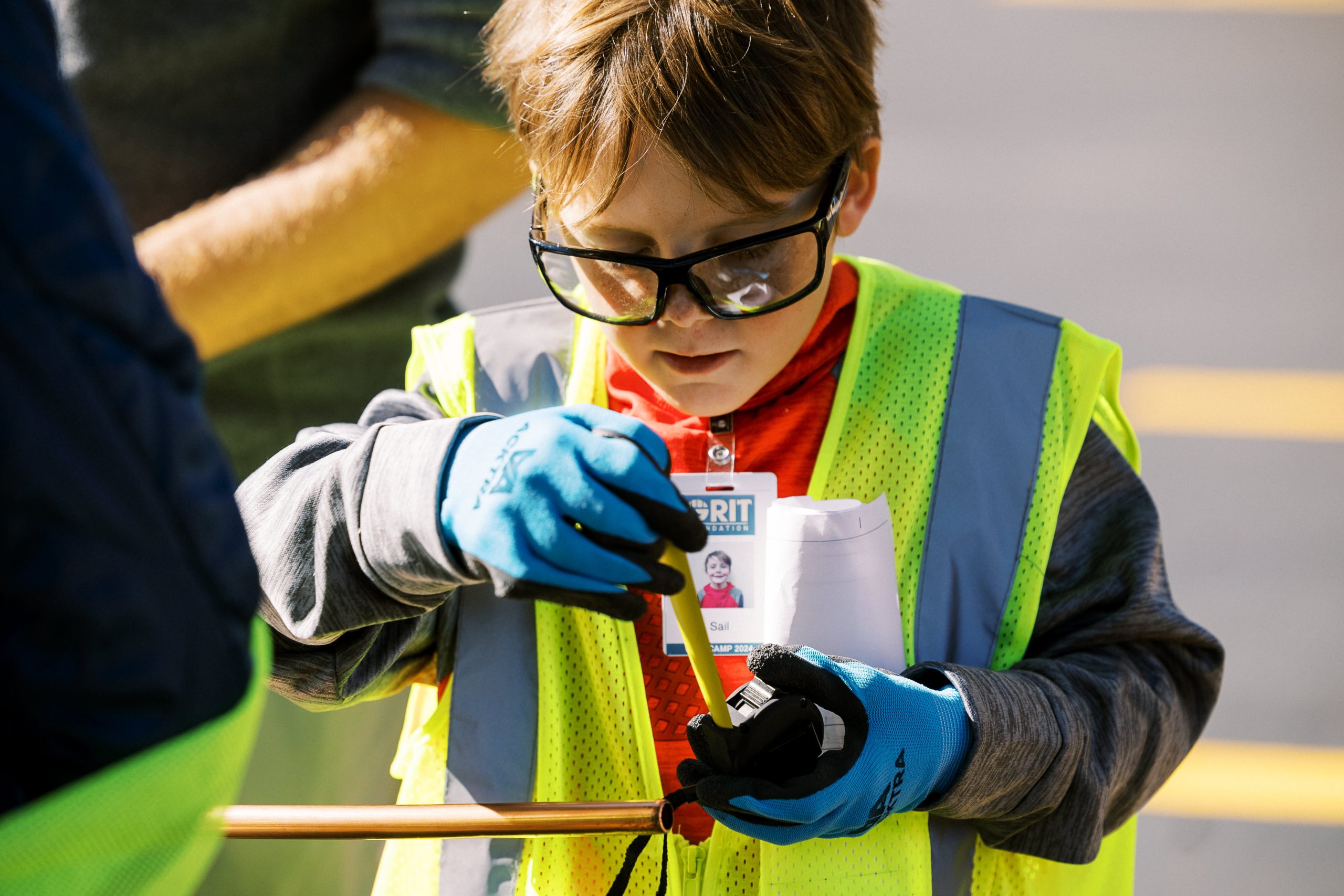
PPE, safety briefing, tool supervision and concise attendee-support guidance for Hosts and Mentors. Revised September 17, 2026.
PDF For Mentors
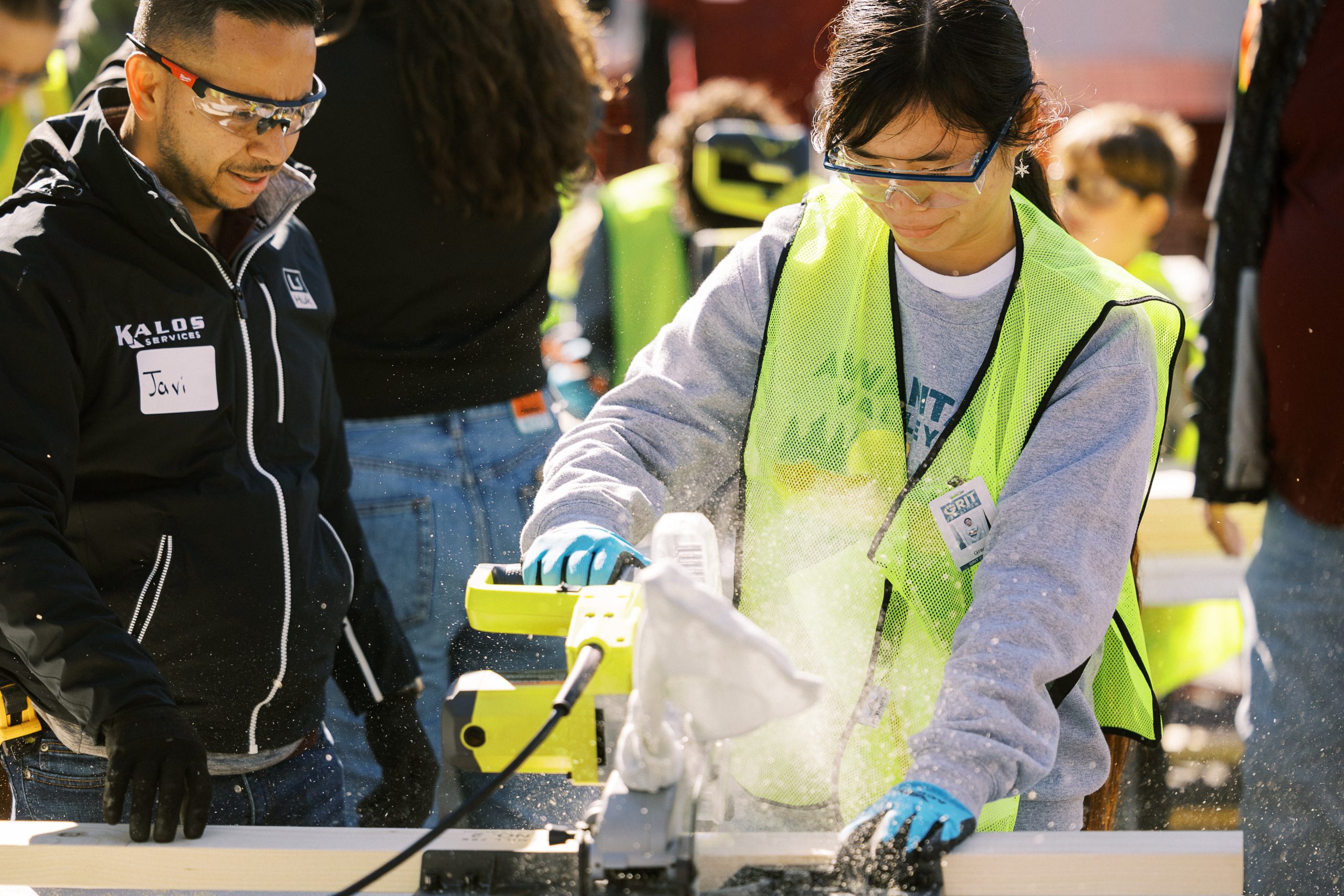
Torch-system selection, matched supplies, adult oxy-acetylene ignition and step-by-step joining methods. Revised September 17, 2026.
PDF For Mentors
A visual field reference for torch selection, setup and joining methods. Use alongside the Soldering, Brazing & Aluminum Repair Guide.
PDF For Hosts
Plan food for every diner and select a few science activities within the 45–60-minute lunch block. Revised September 17, 2026.
PDF For Students
Current two-sided student blueprint with matching revision dates and clarified copper-joining and hole-fit notes. September 17, 2026.
Camp planning and mentor preparation for approved camp hosts and mentors. Access is provided after meeting with the GRIT team and being assigned to a camp.
PDF For Hosts
A printable 19-panel layout for a nominal 4 × 8 ft sheet, with saw-kerf allowance and an actual-frame fit check. September 17, 2026.
PDF For Hosts
Recruit Students, Mentors and Volunteers, and coordinate enrollment, reminders, attendee support and follow-up. Revised September 17, 2026.
PDF For Hosts
Plan the camp budget, confirm donated or borrowed supplies, and organize local sponsorships. Current guide set: September 17, 2026.
PDF For Hosts
Build community support, promote camp, capture photos and share the experience afterward. Current guide set: September 17, 2026.
PDF For Hosts
A reusable local-media announcement template with formatting notes. Replace the placeholders with your camp’s confirmed details.
FAQ For Hosts
Answers to common hosting questions, including planning, staffing, training and camp preparation. Current guide set: September 17, 2026.
FAQ For Students
What families can expect, who camp is for, supervision, what to bring and how to prepare. Current guide set: September 17, 2026.
PDF For Hosts
A successful workshop starts with recruiting the right audience and sharing your registration materials consistently. Use this guide for tips and tricks on how to get the right audience at your workshop.
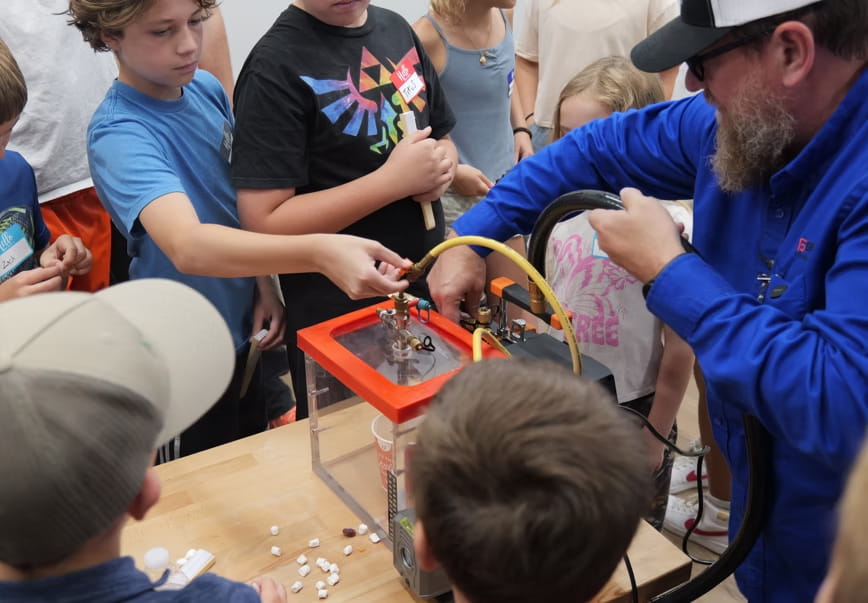
Chart For Hosts
A visual chart of what separates a GRIT Workshop from a GRIT Camp.
Flyer For Hosts
An overview of the mission behind our workshops along with the different workshop sessions we offer.
Deck For Hosts
A presentation outlining what is expected of a workshop host.
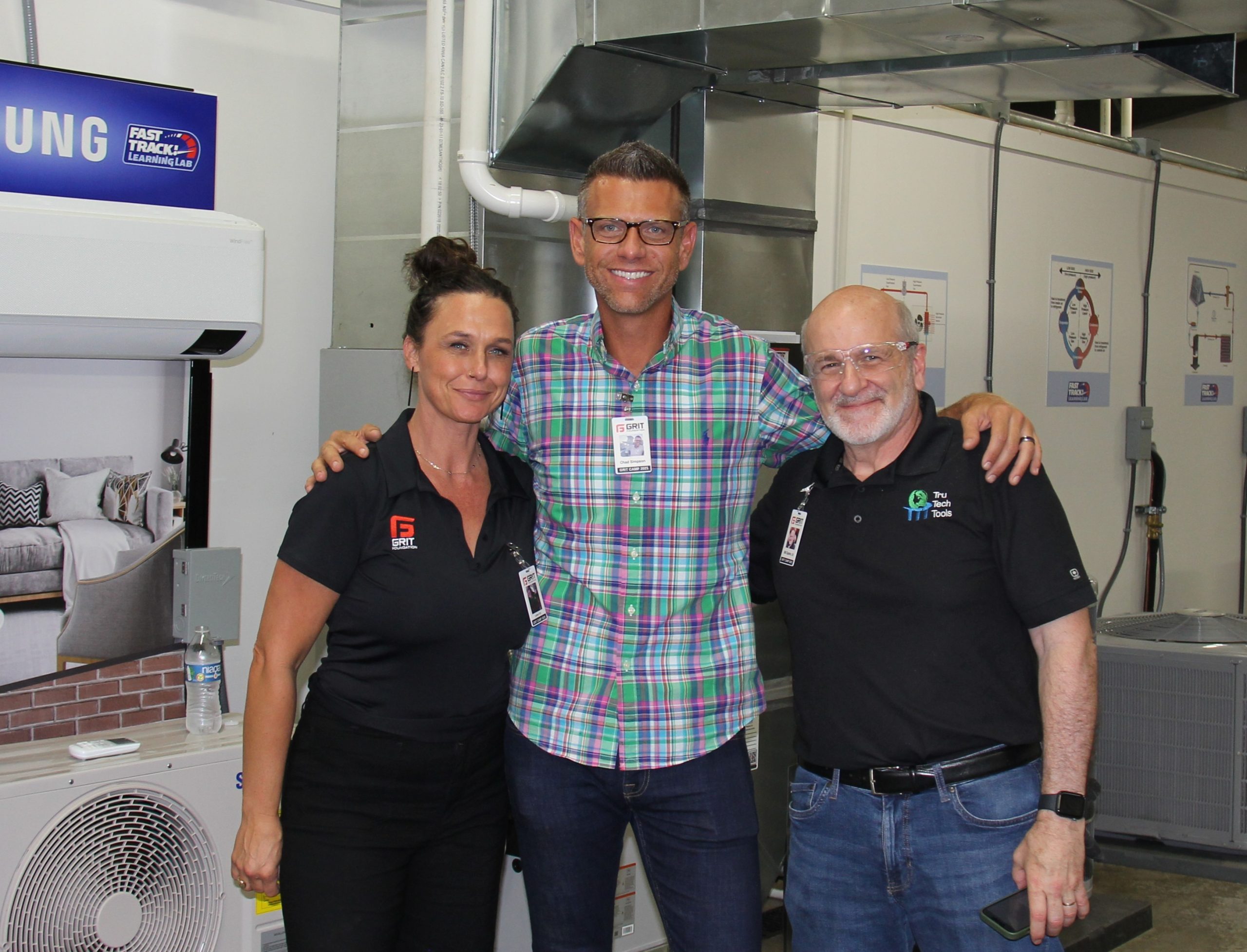
At GRIT, our mission is to reignite curiosity in the skilled trades—the “lost art” of building, fixing, and creating with your hands. Through hands-on experiences in HVAC-R, Electrical, Carpentry, and Plumbing, we connect young people with real tools and real professionals.
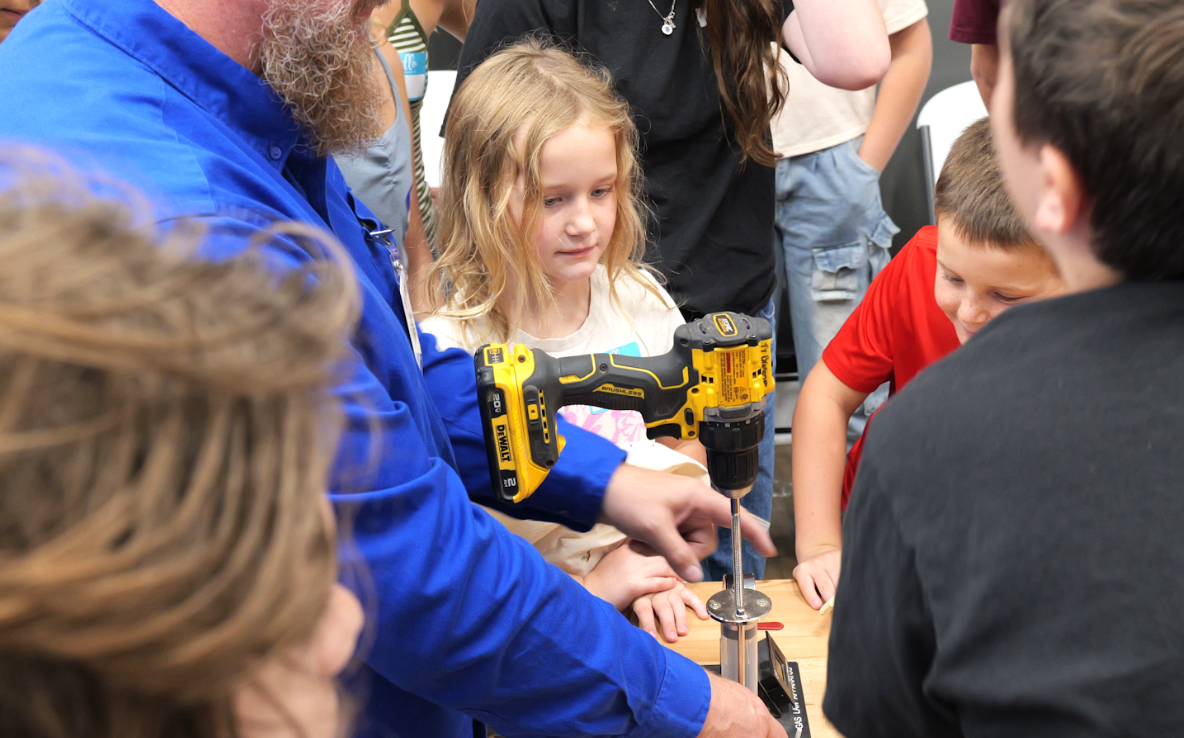
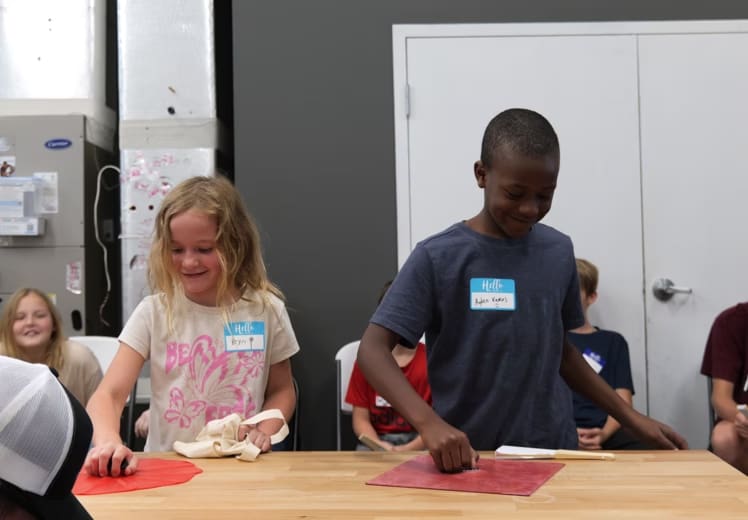
GRIT Camps are one-day, hands-on experiences for students ages 12–17 to discover the skilled trades. Guided by experienced tradespeople, students explore real skills in HVAC, electrical, plumbing, and carpentry—working with actual tools in authentic settings like contractor shops or training facilities.
Hosting a GRIT Camp means recruiting mentors (skilled tradespeople) and students (local youth) for a one-day, hands-on event. Plan 10–16 weeks ahead. Contractors, skilled trades professionals, and trades educators can collaborate to host a camp, with GRIT providing planning support, training guidance, and essential student supplies such as PPE and hand tools.
Hosts coordinate the venue, tools, materials, background checks, and participant recruitment with GRIT. Camp dates may be confirmed before mentor training is complete. The approximately three-hour mentor course is required for mentors and encouraged for the Host and Host Facilitator. Aim to finish six weeks before camp; the firm deadline is three weeks before camp. If required training is incomplete at that deadline, postpone the camp and notify students and parents.
Camps serve up to 16 students, with no more than two students per assigned mentor, plus at least one floater and a separate Education Lead. The number of mentors depends on student enrollment; there is no fixed six-mentor requirement. Begin student recruitment 6–8 weeks before camp and close registration two weeks before camp to allow time for badges and student materials.
A sample build is entirely optional; the Host decides whether and when to complete it and provides its materials. GRIT ships student items and participant badges 1–2 weeks before camp. GRIT sends two reminder emails, at two weeks and 5–7 days before camp. Allow 45–60 minutes for the lunch session and module together.
GRIT Workshops are hands-on learning experiences that connect students and professionals with the skilled trades.
GRIT offers three workshops, each designed to last two hours. GRIT travels to host locations, and hosts can discuss scheduling up to two sessions per day. Workshops suit classrooms, training centers, contractors, manufacturers, and other industry spaces.
Hosting a GRIT Workshop means recruiting students, coordinating the location, and arranging the materials for the selected workshop with GRIT. Start by meeting with GRIT to discuss the workshop, audience, and logistics.
We recommend 4–6 weeks of preparation, with timing negotiable with GRIT. Each workshop is designed to last two hours, and hosts can discuss up to two sessions per day.
Workshops are recommended for up to 20 students per session. Volunteers do not count toward that number, and the host may choose how many volunteers to involve.
Students learn real-world skills like safety practices, blueprint reading, tool use, carpentry, plumbing, brazing, and building electrical circuits—all through hands-on modules led by skilled trades professionals.
Host an Event: We’ll help you plan and launch a GRIT Camp or Workshop in your area.
Mentor or Volunteer: Skilled tradespeople can guide students throughout the camp. To ensure a safe learning environment, all mentors must pass a background check before participating.
Donate: Charitable Contributions directly support materials, resources, and program expansion.
The best starting place is to complete our interest form and we will reach out to you.
Yes. The GRIT Foundation is a federally recognized 501(c)(3) nonprofit organization.
EIN (Tax ID): 33-1405549
IRS Determination Date: October 9, 2024
Public Charity Status: 170(b)(1)(A)(vi)
All contributions are tax-deductible to the fullest extent permitted by law.
Visit www.thegritfoundation.com to join our mailing list.
Email us at: leilani@thegritfoundation.com or abby@thegritfoundation.com
No previous trade or tool experience is needed. GRIT Camps are designed for curious students ages 12–17 who are willing to participate, follow directions, and work with others. Students explore possible careers, but they can also leave with more confidence and appreciation for skilled work even if they choose a different path.
This is an active day using real tools. Families should review the Parent FAQs and discuss participation or support needs with the local Host before camp, including concerns about loud sounds or strong smells.
Learn more: Parent FAQs · Host & Host Facilitator Quick Start Guide.
Wear closed-toe shoes and clothing without exterior drawstrings, including dangling hoodie strings. Tie back long hair before arriving. GRIT provides student safety glasses, gloves, and a high-visibility vest; students follow their Mentor’s instructions about the protective equipment required for each activity.
Check the camp reminder emails for arrival instructions and any site-specific requirements. The Host supplies or arranges adult protective equipment, so Mentors and approved visitors should confirm what they need to bring.
Learn more: Parent FAQs · GRIT Camp Safety Guide.
GRIT generally encourages parents to drop off their students so they can connect with their Mentor, try unfamiliar tasks, and build confidence. Some Hosts may allow limited observation or welcome parents in a defined volunteer role. Contact the local Host in advance to arrange this.
Visitors need to fit the site’s space and safety plan and wear the protective equipment required in the work area. Helping with check-in, food, or photographs is different from mentoring; the student’s assigned, trained Mentor remains responsible for direct supervision.
Learn more: Parent FAQs · Camp Recruitment & Participant Communication Guide · Bryan and Leilani explain in the full video.
Contact the local Host to request the Student Sign-Up & Waiver Form. A parent or guardian must complete the required liability and photo release before camp. Registration closes two weeks before the event so GRIT can prepare badges and student materials.
GRIT sends reminder emails two weeks before camp and again 5–7 days before camp. The Host provides GRIT with the correct address, parking, drop-off, pickup, and other site details for those messages. Let the Host know promptly if your child can no longer attend.
Learn more: Parent FAQs · Camp Recruitment & Participant Communication Guide.
The assigned Mentor supports the student throughout the activities. Before camp, the Host Facilitator also names an adult who is experienced with children and can give clear directions and set firm, respectful boundaries. Mentors are told whom to contact when they need help.
If a student cannot participate safely, tool use pauses while that adult helps and supervision continues. The parent is contacted if safe participation cannot resume. This support role supplements the Mentor’s supervision; it does not replace it.
Learn more: GRIT Camp Safety Guide · Camp Day Operating Checklist.
The Host organizes and supports the camp. A Host Facilitator runs the practical day-of arrangements: setup, check-in, food, supplies, room changes, parent questions, pickup, and cleanup. Tasks can be delegated, but the Host and Facilitator still make sure they get done.
The Education Lead focuses on teaching: preparing and coaching Mentors, leading the opening and safety briefing, guiding lunch discovery, and keeping learning on track. The Education Lead is separate from the paired Mentors, floater, and saw-area supervisor. GRIT’s administrative team supports planning and communication; it does not run local camp-day operations.
Learn more: GRIT Camp Guide · Education Lead Guide.
Yes. Volunteers can take on specific logistical jobs such as welcoming families, managing check-in, serving lunch, moving materials, taking photographs, and helping with setup or cleanup. The Host assigns these jobs and shares volunteer details with GRIT so badges and communication are ready.
These are support roles rather than instructional roles. A volunteer does not replace a trained Mentor or take over student tool supervision. Finalize volunteer information two weeks before camp, and make sure each person knows their assignment and arrival time.
Learn more: Camp Recruitment & Participant Communication Guide · GRIT Camp Guide.
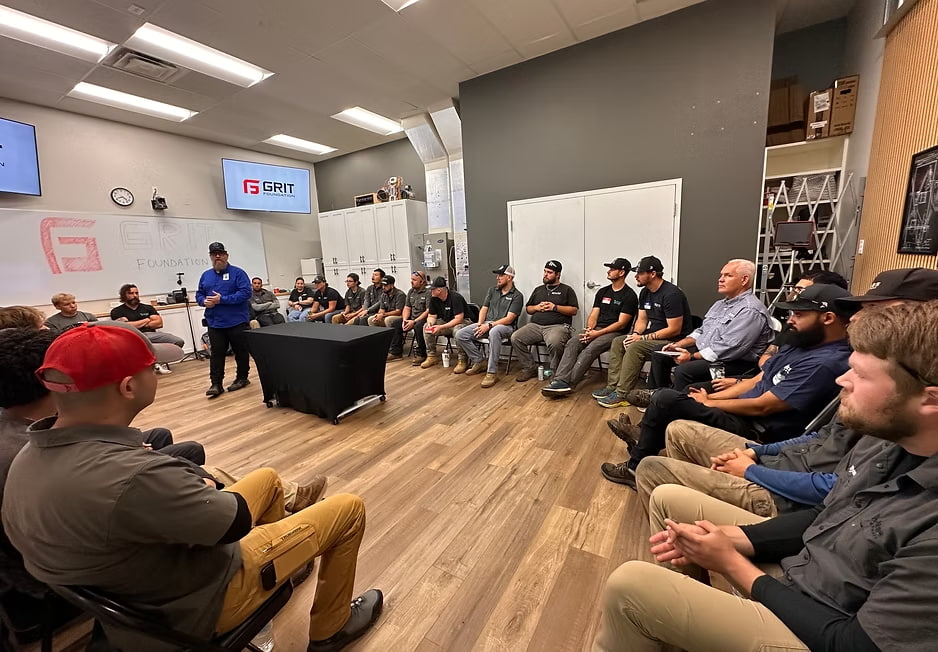
A good Mentor has practical experience in a skilled trade, can perform the camp tasks safely, and wants to help young people discover what they can do. HVAC technicians, plumbers, electricians, carpenters, trade instructors, and people retired from fieldwork can all bring valuable experience.
Patience, reliability, and a willingness to keep learning matter as much as years in the field. Mentors should be ready to support a hesitant student, slow down an overconfident one, complete the required preparation and background check, and let students do the work.
Learn more: Camp Recruitment & Participant Communication Guide · Mentor Quick Start Guide · Bryan and Leilani explain in the full video.
Being skilled at a trade and helping a beginner discover it are different tasks. The Mentor course introduces GRIT’s teaching approach, the camp modules, and safe ways to guide students. It also helps a tradesperson prepare for activities outside their everyday specialty.
Set aside time to read the current Mentor Quick Start Guide and Blueprint as well as complete the approximately three-hour course. Mentors arrive at least one hour before camp for the mandatory walkthrough with the Education Lead. That rehearsal covers the actual layout, selected tools and joining method, teaching moments, student assignments, and any changes for that camp.
Learn more: Mentor Quick Start Guide · Education Lead Guide.
GRIT uses a question-led teaching approach: observe what the student notices, ask one clear question, wait while they think or try, and offer a smaller hint if they get stuck. The Blueprint, a measurement, or a tool can become the clue that helps them find the next step.
Mentors demonstrate enough for a safe attempt, then return the tool or decision to the student. Small, safe, fixable mistakes can be useful lessons; unsafe actions need immediate intervention. Success means curiosity, problem-solving, and growing confidence, rather than every student producing a perfect, identical project.
Learn more: Mentor Quick Start Guide · Education Lead Guide · Bryan and Leilani explain in the full video.
For students, start with local middle and high schools, homeschool groups, churches, youth organizations, and employees’ families. Ask school offices who handles activity flyers, connect with youth leaders, and share the GRIT flyer through appropriate community channels. Begin student outreach 6–8 weeks before camp.
For Mentors, look to your employees, fellow contractors, supply houses, trade-school instructors, and other trusted tradespeople. Recruit early enough for training and background checks. GRIT can provide recruitment materials, while the Host builds the local relationships and follows up on actual registrations.
Learn more: Camp Recruitment & Participant Communication Guide.
Share the camp flyer widely, with the Host’s contact information. Send the camp registration link directly to interested families rather than publishing it openly. This lets the Host manage enrollment and answer questions before registration.
Keep a waitlist when interest exceeds available places. If a student withdraws before the deadline, contact the next family and provide the registration link. All registrations, including waitlist additions, must be complete two weeks before camp, and enrollment must stay within the 16-student maximum. Tell remaining families when the event is full and offer future-camp updates where available.
Learn more: Camp Recruitment & Participant Communication Guide · Bryan and Leilani explain in the full video.
Plan clear areas for drop-off and pickup, check-in, seated learning and lunch, and hands-on work. Provide a station for each Mentor group, room to move materials safely, accessible refreshments, and a place for shared tools. Count attending adults when planning seats and meals.
Indoor torch work needs appropriate ventilation and the controls in the Safety Guide. Outdoor activities need a bad-weather plan and suitable protection from the conditions. The Host is responsible for the site setup and emergency arrangements, including clear access, first-aid supplies, and fire-safety provisions. Confirm the layout with the Education Lead before students arrive.
Learn more: GRIT Camp Guide · GRIT Camp Safety Guide.
GRIT provides the camp program and current guides, training resources, registration and required forms, Mentor background-check coordination, participant badges, and specified student items such as PPE, Blueprints, hand tools, and electrical kits.
The Host arranges the venue, local participants, workstations, most tools and project materials, food, setup, and cleanup. Confirm any borrowed items and adult PPE in advance. Student items and badges ship 1–2 weeks before camp; give GRIT the correct shipping address, which may differ from the event address, and report missing items promptly.
Learn more: GRIT Camp Guide · Host & Host Facilitator Quick Start Guide · Bryan and Leilani explain in the full video.
Check the actual tools and materials against the current Blueprint and supplies list early. Common trouble spots include the correct drill and bit sizes, charged batteries and chargers, enough cords and stable tables, working saw guards and clamps, and backers that fit the assembled frame.
Choose a complete copper-joining system and confirm that the equipment, filler or solder, flux where needed, and Mentor experience match. Test the selected hole size in scrap material and check a backer before cutting the batch. Confirm who is bringing each shared item, and stage the final customization supplies so they are ready when needed.
Learn more: Host & Host Facilitator Quick Start Guide · Soldering, Brazing & Aluminum Repair Guide · Bryan and Leilani explain in the full video.
Yes. The Host and Education Lead choose optional modules and lunch demonstrations in advance, then arrange the materials and competent supervision those choices need. Aluminum repair and disassembly are examples of optional activities; every camp does not need every demonstration.
On the day, the Host Facilitator and Education Lead may adjust pacing, activity order, or layout to suit the group and conditions, while keeping safe tool use and direct supervision in place. Communicate changes to everyone affected. Protect the final part of the day for electrical learning, customization, photos, and pickup instead of letting earlier optional activities crowd those out.
Learn more: Host & Host Facilitator Quick Start Guide · Education Lead Guide.
The Host plans lunch, drinks, serving supplies, and seating for every diner, including students and all attending adults. A simple meal works well. Families of students with dietary restrictions should plan to pack a safe lunch unless the Host has specifically agreed to provide a suitable meal; adults with restrictions should make their own arrangements too.
Allow 45–60 minutes for the meal and lunch learning activities together. The Host and Education Lead select a few suitable demonstrations in advance, rather than trying every option. Let food service settle before shared exploration, and keep demonstration liquids, hot surfaces, cords, glass, and small parts away from food.
Learn more: GRIT Camp Lunch Guide.
Making the Invisible Visible: Science that Powers the Trades is designed for middle school students and introduces trade science through hands-on discovery. The House as a System: Building Science Explorer is aimed at high school students and connects building systems, comfort, heat, air, and moisture.
Mentorship That Works: Bridging Generations Through Curiosity is for adults 18 and older, especially trades professionals, industry leaders, and educators who want to improve how they teach. Each workshop is designed to last two hours. Discuss the audience, location, and session plan with GRIT so the experience fits the group.
Learn more: GRIT Workshop Flyer · Workshop Host Guide Deck.
Workshops have their own process. GRIT provides a separate registration link and promotional flyer for each workshop session, with a clickable link and QR code for sharing through schools, email, social media, and community groups. Hosts receive an email notification when someone registers. Always use the link for the specific session being promoted.
Before registration opens, confirm the student limit and safe room capacity with GRIT, including space for volunteers. The recommended preparation period is 4–6 weeks, with timing negotiable. Continue promotion until one week before the workshop. Camps instead use the Host-managed, selectively shared registration link described above.
Learn more: Workshop Student Recruitment Guide · Camp Recruitment & Participant Communication Guide.
First, finish pickup safely, clean up, and return borrowed tools to their owners. Capture student and Mentor reflections or project photos where participant media permissions allow. Optional short interviews can show what students discovered and what Mentors learned.
Within a week, thank families, Mentors, and Volunteers, complete the Host feedback survey, and encourage participants to respond to the surveys GRIT sends. Share approved photos through the media upload link GRIT provides. Record lessons and missing supplies while they are fresh, then discuss a future camp or workshop with your team and GRIT.
Learn more: GRIT Camp Host Timeline · Camp Recruitment & Participant Communication Guide · Camp Community Outreach Guide.
Watch the full conversation
Join Bryan Orr and Leilani Orr on HVAC School for a complete walkthrough of hosting a GRIT Camp, from recruiting mentors and preparing your space to supporting students on camp day.
Full episode from HVAC School · Watch on YouTube. For current camp requirements and planning details, use the latest guides above.